













How Faith and Science Transformed Ex-Packers Trainer Pepper Burruss | PRIMENEWSNOW
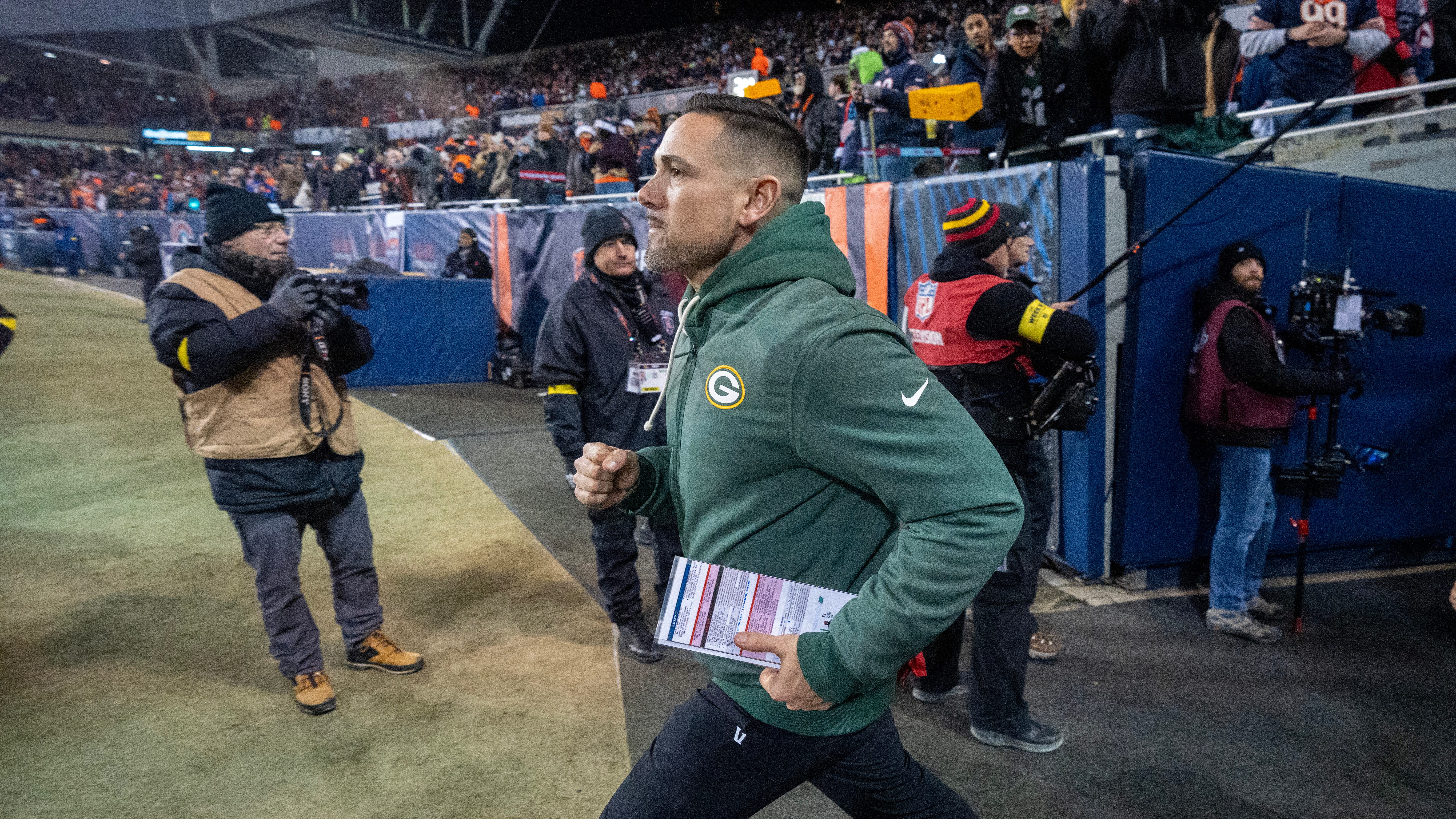

- Pepper Burruss, a former Green Bay Packers trainer, faced unexpected liver failure.
- After extensive care at Froedtert Hospital, Burruss underwent a critical liver transplant.
- Both Burruss and his surgeon attribute his recovery to their faith.
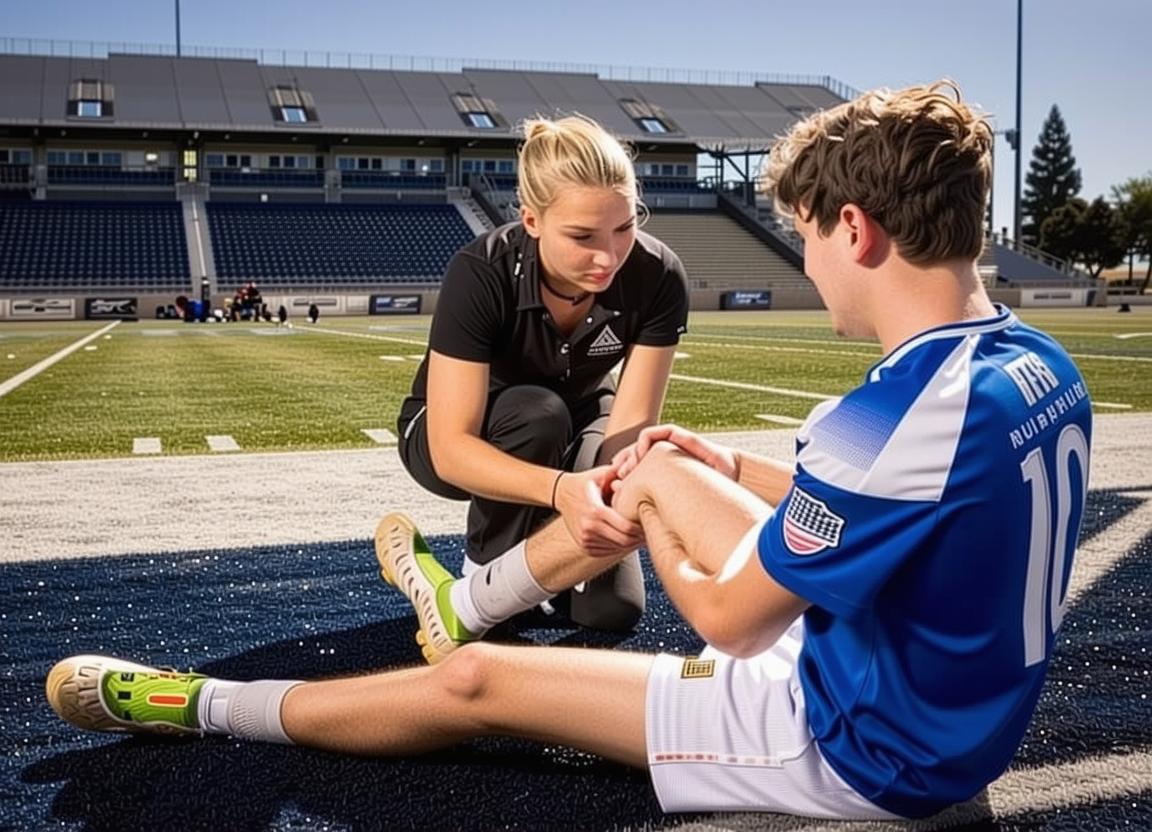
For over two decades, before the advent of the blue medical tent, one man was always ready to rush onto the field with a towel draped over his shoulder and a medical bag in hand. Whenever a Green Bay player was injured, the team relied on their trusted athletic trainer, Pepper Burruss.
Renowned for his quick assessments and calm demeanor under pressure, Burruss was well-versed in maintaining physical health.
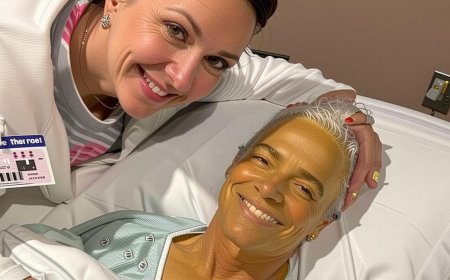
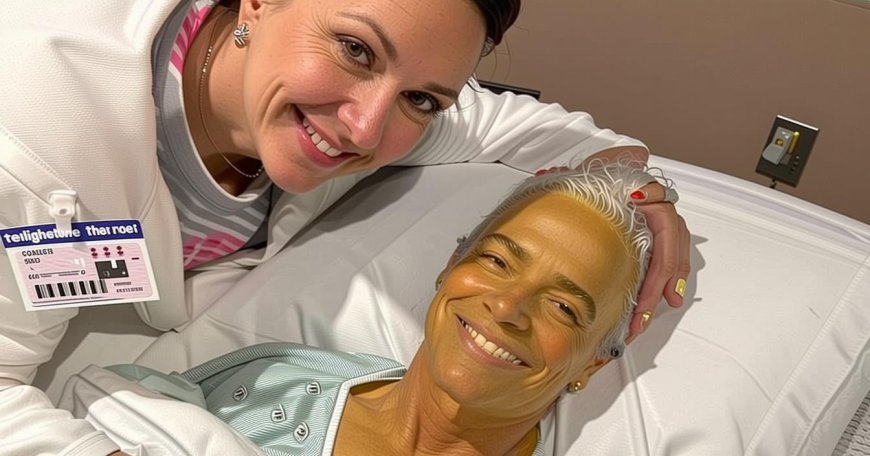
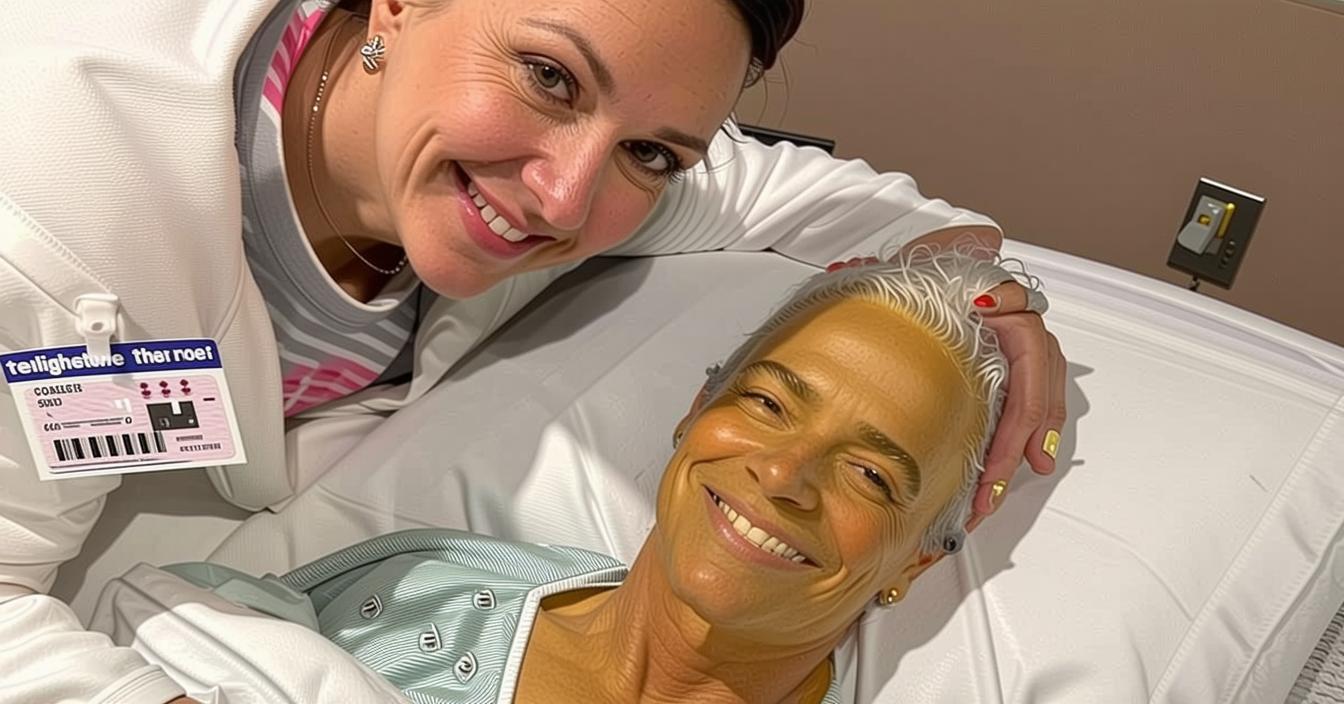
However, one day, he noticed his reflection and realized something was amiss. His skin had turned a peculiar shade of yellow.
Unbeknownst to him, he was on the brink of multiple life-threatening episodes due to complete liver failure.
He never imagined that an Indian cricket enthusiast, who had spent 25 years practicing medicine in London and often quoted Vince Lombardi, would play a pivotal role in saving his life.
This narrative isn’t solely about Burruss and his liver-transplant surgeon or the anonymous liver donor whose story remains untold.
It’s also a testament to faith, and why acknowledging divine intervention, alongside medical expertise, resonates with the key figures in this tale.
In Burruss’s view, his entire journey, from his 42-year NFL career and Pro Football Hall of Fame recognition to surviving this ordeal, is nothing short of miraculous.
“I never sent out a résumé or applied for a job,” he shared over the phone. “Figure that out … and ask me if I am a spiritual person.”
From Health to Crisis
Though Burruss hasn’t been on the field recently, he’s remained active. Just two and a half years ago, on June 5, 2023, Burruss, a 69-year-old retiree in good health, was in Appleton for the Donald Driver Charity Softball Game.
That evening, he noticed his skin’s yellow hue, a clear sign of jaundice, marking a drastic change in his health.
“It was like flipping a switch,” Burruss recalled. “Day and night, like having a heart attack.”
The following day, he and his wife, Nancy, a seasoned nurse, headed to Bellin Hospital and checked into the emergency room, where doctors quickly shifted from speaking to Burruss to speaking about him.
“They used terms unfamiliar to me, a sports guy: Donor. Match. Transplant. Froedtert,” Burruss said.
“I was baffled. I didn’t grasp the severity. I know sports injuries, but this was beyond my world.”
Burruss, now 71, spent 42 years in the NFL, starting with the New York Jets, where he was the first responder for Dennis Byrd’s paralyzing injury in 1992. A familiar name to Packers fans, he was recently honored with the Pro Football Hall of Fame‘s Awards of Excellence and Green Bay’s Bob Harlan Leadership Award.
After retiring in 2019, Pepper and Nancy Burruss moved from De Pere to Laguna Niguel, California, to be closer to their family.
“It’s a bit upscale; you can tell by the house prices,” Burruss remarked. “In Woodland Hills, my son sees [Los Angeles Rams players] Matthew Stafford and Davante Adams dropping off their kids. It’s a different world. It’s California.”
Life was good, and they kept busy.
Emergency Room Realities
At Bellin Hospital, Nancy was deeply involved in discussions with the medical team. Could she drive the two hours from Green Bay to Milwaukee and Froedtert Hospital, where Burruss needed urgent care?
“Absolutely not, you’re flying,” Burruss recalled the doctors saying. “That’s when I realized the gravity. Suddenly, I was on a helicopter, and my world turned upside down.”
Burruss urgently needed a liver from a deceased donor and required treatment to survive until a transplant was possible.
The liver, a vital organ, is responsible for numerous essential functions, including:
- Processing nutrients, medications, and hormones
- Producing bile for fat absorption
- Creating proteins for blood clotting
- Filtering bacteria and toxins from the blood
- Regulating immune responses
The demand for liver transplants far exceeds the supply of available organs, as noted by Froedtert & the Medical College of Wisconsin.
Burruss spent months at Froedtert receiving treatment.
“I didn’t speak for four days,” Burruss said. “I stayed for six months. I could have paid taxes there, I was in the ICU so long.”
COVID-19 restrictions in 2023 limited visitations, making Burruss’s fight for life even more challenging, a topic he finds difficult to discuss.
“The impact of COVID on visitation is beyond my comprehension and forgiveness,” Burruss said.
A New Surgeon in Town
One positive aspect was Raj Prasad, a transplant surgeon with Froedtert & the Medical College of Wisconsin.
Having recently moved to Milwaukee after 25 years in the UK, Prasad, a father of five and cricket fan, was unfamiliar with the NFL or Burruss’s career. He only knew his patient was gravely ill, unable to stand for more than 30 seconds.
Prasad was ready to help. Early in his career, India hadn’t yet begun liver transplants. He faced challenging cases, including a difficult surgery that initially left him feeling defeated until a mentor encouraged him to grow from the experience. Prasad then pursued training in liver surgery.
He moved to the UK in 1997 for a transplant and surgery fellowship, becoming an attending physician in 2000.
“The NHS, our social healthcare system, is like a religion in the UK. Very cherished and valued,” Prasad said. “Working there, you become very British.”
Upon arriving in Wisconsin in 2023, Prasad found that half of adults showed signs of liver disease, often due to lifestyle choices like alcohol consumption and obesity. He found this concerning.
“By the time liver disease is diagnosed, it’s often advanced,” Prasad said.
Yet, he remains hopeful, as the liver can regenerate with healthy lifestyle changes.
Burruss likely suffered from DILI – drug-induced liver injury – from antibiotics used to treat a blocked bile duct before that softball day in Appleton, according to Prasad. Burruss and Prasad connected well, both possessing sharp wit and enjoying social interactions, which Prasad noticed even during Burruss’s darkest times.
“We were very close to losing him at various stages,” Prasad said. “He was very sick, but how …? Of course, the medical and nursing team did everything they could. But he has – and continues to have – an enormous reserve and resolve. He’s a tough, tough person – in a nice way.
“That is the unique bit to me – it is not the science bit. The science – that’s what we’re trained to do. It is the human side, which is unique.”
Let’s delve deeper into that.
First, Nancy Burruss was always there, nursing her husband, providing unwavering support and love, which Prasad believes made a difference. Second, Burruss seemed to possess a certain faith or strong spirit to survive – even when medical colleagues expressed doubts about saving him.
“He was so unwell,” Prasad said. “I was worried. So, yeah, I was scared for what would happen to him.”
The Unsung Heroes: Donor, Doctors, and Faith
And so they waited.
With the support of Burruss’s medical team – “my care at Froedtert was exceptional, they saved my life,” Burruss said – they awaited a donor who matched Burruss’s size and weight. During this time, Burruss also experienced kidney failure, necessitating a dual organ transplant.
It’s one of the most heart-wrenching realities of hospital life: someone must pass away for another to live.
Burruss’s liver donor remains unknown. All he could do was write a letter of gratitude to the donor’s family, who have yet to respond.
“I pray about it often,” Burruss said.
Now weighing around 130 pounds, Burruss lacks his former physical stamina but remains mentally sharp, still sharing jokes, recalling Brett Favre stories, and following his beloved Packers.
Now, nearly every comment he makes is filled with gratitude for life’s preciousness.
Burruss doesn’t have a tattoo but sometimes considers getting one, perhaps with the phrase, “I lived, because someone gave.” He thinks he would definitely get one if he could include the donor’s name. His voice cracks with emotion.
“And I ask, why me?” Burruss said. “You ask me if I am spiritual?
“I just tell people God didn’t need a retired Gatorade guy just yet.”
Prasad smiled when he heard Burruss’s comments. With decades of experience, Prasad is also a medical professor. But God gets the credit …
“I totally understand why he said that, and I would have expected him to say that,” Prasad said. “I see a huge difference – coming to the U.S. in 2023 from the UK – in the society, especially the relationship to religion and faith in God. I see a lot more faith here.
“I think it all comes back to having that faith, that belief in something. Faith and belief always help human beings. Whether they’re in recovery or achieving something else, like a sporting achievement – having that faith and belief that we can do that. It lifts human beings to a different level.
“That’s important to have faith in something. In all humanity, we need faith in something. Otherwise, I think we’ll be lost.”
Check out these links to become an organ donor. Patients can also enroll through the Epic MyChart patient portal. Surgery patients often also need blood, so consider the American Red Cross or Versiti to donate.
What's Your Reaction?
 Like
0
Like
0
 Dislike
0
Dislike
0
 Love
0
Love
0
 Funny
0
Funny
0
 Angry
0
Angry
0
 Sad
0
Sad
0
 Wow
0
Wow
0