


























Breaking Barriers: Ensuring Every Girl’s Right to Learn in My Village | PRIMENEWSNOW
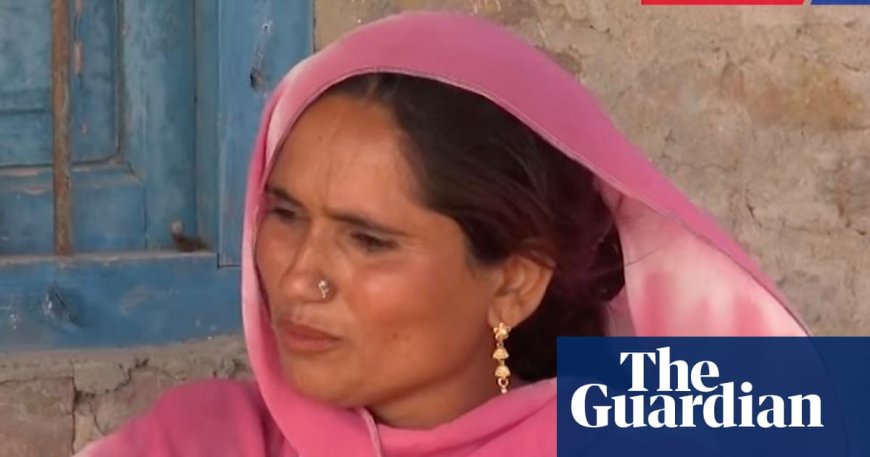
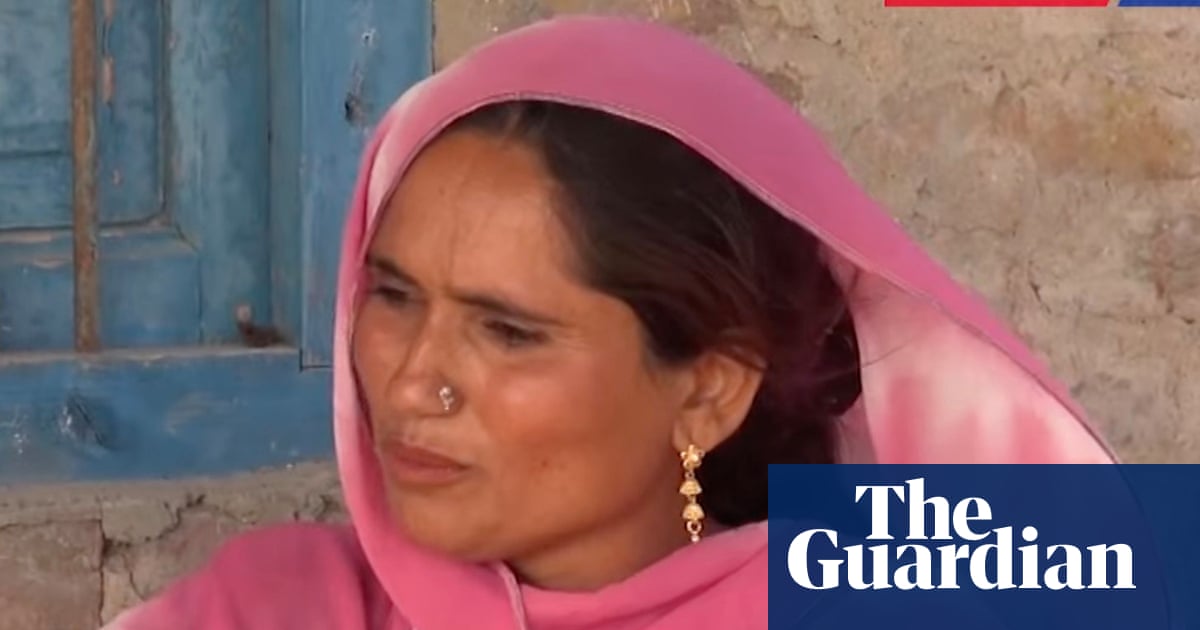
Breaking Barriers: Naushaba Roonjho’s Journey to Empowerment
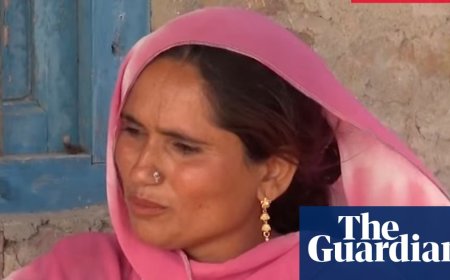
Naushaba Roonjho’s achievement of passing Pakistan’s national secondary school exam was met with silence rather than celebration in her village of Sheikh Soomar, Sindh. Her father insisted, “This is enough, you don’t need to study more. You should stay at home now.”
Early Challenges and Marriage
In 2010, at the age of 17, Roonjho married Muhammad Uris, a laborer. Despite leaving school after primary education, she continued her studies independently. “People mocked me,” Roonjho recalls. “They said girls don’t need education and get spoiled if they study.”
From Homemaker to Health Worker
Initially focused on her family, Roonjho managed household duties and stretched her husband’s income. Living with her parents, she seized an opportunity to train as a community worker through a national rural development program.
Her role as a health worker was controversial, with some accusing her of dishonoring her family. By 2019, tensions peaked, and her family demanded she quit or leave. Choosing independence, Roonjho and Uris built their own home, strengthening her resolve with his unwavering support.
Community Health Initiatives
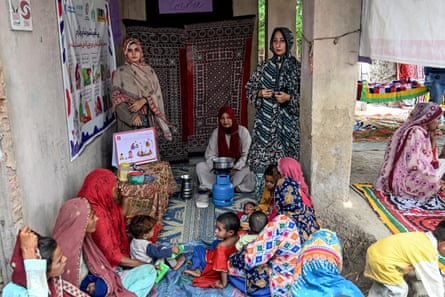
Working on vaccination drives, Roonjho witnessed the dire need for health education. “People don’t wash their hands after using the bathroom or before eating. There are no midwives, and many women don’t know the danger signs during childbirth.” Pakistan’s maternal mortality rate stands at 155 deaths per 100,000 live births, a decrease from 178 a decade ago, yet still above the UN’s target of 70 by 2030.
Facing Community Resistance
“Some families closed the door on me,” she says. “During polio vaccination, they said don’t give this to the children and considered the vaccination fake.” Her husband faced ridicule as well. “People mocked me more than they mocked her,” Uris shares. “They said ‘Don’t you feel ashamed? Your wife is going out working with men.'”
Uris stood firm, declaring, “Whether you respect us or not, we will continue doing good. I’ll always stay with her.” Their shared education and vision set them apart from the villagers.
Advocating for Girls’ Education
The couple began advocating for girls’ education, with Roonjho visiting homes to persuade parents. “There were no girls in the school,” Uris notes about the Sheikh Soomar government school, which lacked facilities for girls. Her efforts led to the enrollment of seven girls, including their daughters.
“For us, that is a very big number,” Uris says. “Because before her, not even one girl was in school.”
Leadership and Community Development
The Sindh Rural Support Organisation (SRSO) empowers local leadership through community-run groups. Roonjho became president of a local support organization, working on family planning, polio vaccination, and health initiatives.
Zulfiqar Kalhoro, CEO of SRSO, emphasizes the importance of women like Roonjho in driving rural change. “We bring women together to form community organizations,” he says. “The leadership comes from within the village.”

Inspiring Future Generations
Raasti, a 19-year-old polio vaccinator, views Roonjho as a mentor. “I look up to her as a strong woman,” she says. “Seeing her work for education and health makes me feel good and feel like change is possible.”
Preparing for Political Leadership
Roonjho enrolled in a disaster-preparedness program, learning vital skills for flood response and property protection. These experiences have bolstered her confidence to engage with officials and plan her next move: running for political office in 2027.
Manzoor Ali, a village elder, praises her impact. “She has done so much for this village without even having a seat in politics,” he says. “If she gets a seat, she will do even more.”

A Vision for the Future
Roonjho aims to become the union council chairman, addressing issues like clean water, electricity, and roads. “I want to be the voice for poor people,” she asserts.
Her campaign groundwork is underway, driven by a desire for her daughters to study and live with dignity. “I wasn’t allowed to study,” she reflects. “But I will make sure no girl in this village grows up hearing those same words.”
What's Your Reaction?
 Like
0
Like
0
 Dislike
0
Dislike
0
 Love
0
Love
0
 Funny
0
Funny
0
 Angry
0
Angry
0
 Sad
0
Sad
0
 Wow
0
Wow
0