




























New US Sanctions Hit Maduro’s Inner Circle and Venezuela’s Oil Fleet | PRIMENEWSNOW

US Intensifies Sanctions on Venezuela: Targeting Key Figures and Oil Tankers
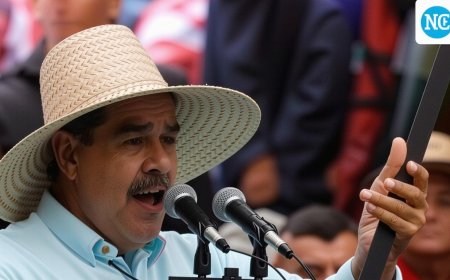
On Thursday, the United States announced a new wave of sanctions aimed at Venezuela, focusing on three relatives of President Nicolas Maduro’s wife and several oil tankers and shipping firms associated with them. This move is part of Washington’s ongoing efforts to increase pressure on Caracas.

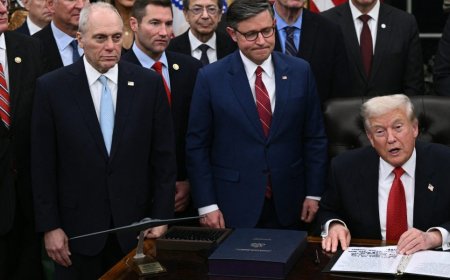
This development coincides with a significant US military presence in the southern Caribbean, as President Trump continues his campaign to remove Maduro from power. Recently, Trump announced the seizure of a sanctioned oil tanker near Venezuela’s coast.
Sanctions on Shipping Companies and Oil Tankers
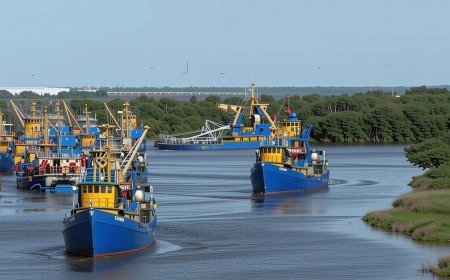
The US Treasury Department revealed sanctions against six shipping companies involved in transporting Venezuelan oil, along with six oil tankers accused of engaging in deceptive practices. These actions are intended to cut off financial resources that support Maduro’s regime.
Among the targeted vessels are the Panama-flagged H. Constance and Lattafa, built in 2002 and 2003, respectively, along with others flagged by the Cook Islands and Hong Kong. These supertankers have recently been involved in loading crude oil in Venezuela, according to PDVSA’s internal documents.
Impact on Key Figures
Sanctions were also imposed on Franqui Flores and Efrain Antonio Campo Flores, nephews of Venezuela’s first lady, Cilia Flores. Known as the “narco nephews,” they were arrested in 2015 during a US Drug Enforcement Administration operation and later convicted for attempting a large cocaine deal. They were released in a 2022 prisoner exchange with Venezuela.
The Venezuelan government has consistently denied any criminal connections, and the communications ministry has not responded to requests for comment.
Strategic Moves and Potential Consequences
David Goldwyn, a former US State Department energy diplomat, suggests that these sanctions could pave the way for the US to seize the vessels. “This serves as a strong deterrent. Sanctioned vessel owners will likely reconsider transporting Venezuelan crude due to the risk of losing their ships,” Goldwyn stated.
Francisco Monaldi from Rice University’s Baker Institute noted that the effectiveness of these measures depends on US enforcement. “The risks for departing Venezuelan waters have increased, especially for shadow fleets. This could lead to wider price discounts or more flexible terms from PDVSA, potentially affecting export volumes,” Monaldi explained. Shadow fleets typically operate under sanctions, with unclear ownership and lacking top-tier insurance.
Rising Tensions and Future Actions
The recent seizure marks the first US action against a Venezuelan oil cargo since sanctions began in 2019. It represents the Trump administration’s initial move against a Venezuela-related tanker following a significant military buildup in the area.
According to sources, more tanker seizures are planned. US Attorney General Pam Bondi shared on X that the FBI, Homeland Security, and Coast Guard, supported by the military, executed a warrant to seize a tanker transporting sanctioned oil from Venezuela and Iran.
This action has led to increased oil prices and heightened tensions between Washington and Caracas. Trump has frequently suggested military intervention in Venezuela, accusing it of drug trafficking to the US. The US has conducted over 20 strikes on suspected drug vessels, raising concerns among lawmakers and legal experts.
What's Your Reaction?
 Like
0
Like
0
 Dislike
0
Dislike
0
 Love
0
Love
0
 Funny
0
Funny
0
 Angry
0
Angry
0
 Sad
0
Sad
0
 Wow
0
Wow
0