


















Cancer Survivor and Dietitian Reveals 3 Essential Diet Tips That Fueled Her 27 Triathlons | PRIMENEWSNOW
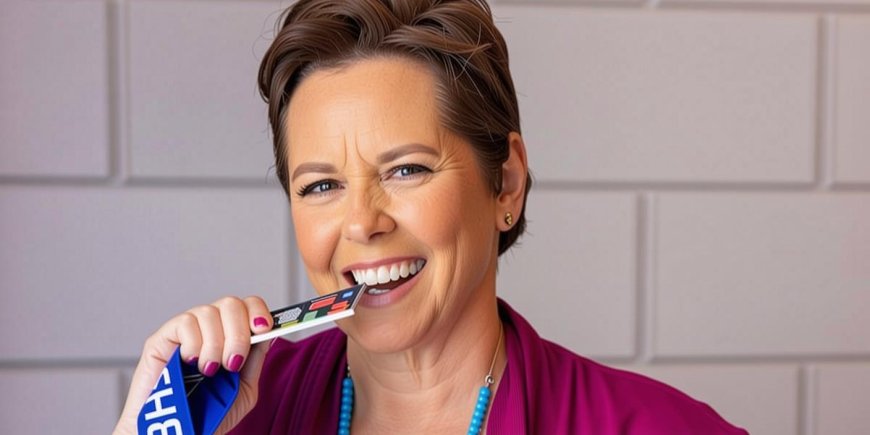
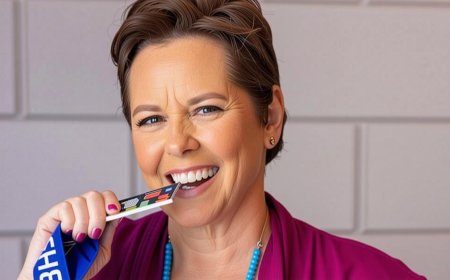
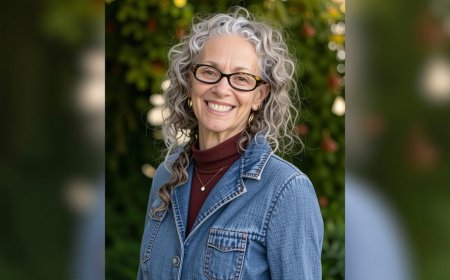
At the age of 38, Cassandra Burke was diagnosed with stage 1 breast cancer after experiencing a sharp pain in her right breast.
Despite early detection, her treatment was intense, involving a lumpectomy, a year of chemotherapy, 33 radiation sessions, skin grafting, and a preventive hysterectomy due to her aunt’s stage 4 ovarian cancer diagnosis.
“The treatment was harsh and took a significant toll on me,” Burke, now 54, shared. “Moving my body was incredibly challenging.”
Her determination to complete a triathlon led her to participate in Iron Girl, featuring a 0.62-mile swim, a 16-mile bike ride, and a 3.4-mile run in Maryland. Afterward, she competed in another Iron Girl event in Syracuse, New York, and became captivated by the sport.
This journey inspired her to delve deeper into understanding her body and the impact of nutrition on performance. She earned certifications in personal training and triathlon coaching, along with her dietitian license. While managing a forensic science lab, she coaches young athletes and provides virtual guidance to adults and high school clients. She also offers nutritional advice to cancer patients at her oncology center.
Her nutrition strategy revolves around her workouts, sometimes involving two sessions a day or extended runs and bike rides on weekends.
Burke shared her approach to fueling her training and maintaining a balanced diet to optimize nutrient intake.
Now cancer-free for 15 years, Burke has completed nearly 80 races, including 27 triathlons and 18 half marathons.
She typically exercises in the morning, engaging in activities like swimming, biking, running, or strength training.
For a quick energy boost, she consumes carbs and simple sugars, such as waffles, sports gels like Gu or UCAN, or high-carb powders like Skratch Labs.
“I focus on carb-heavy foods,” she explained. “I aim to preserve my glycogen stores as much as possible.” She also incorporates gels and electrolytes, like Liquid IV, during her training sessions.
Burke’s first substantial meal post-training is breakfast, aimed at muscle recovery and glycogen replenishment, with 20 to 30 grams of protein and about 60 grams of carbohydrates.
She chooses meals that meet these nutritional goals, regardless of whether they resemble a typical American breakfast. Options include bibimbap with leftover rice, eggs, vegetables, and homemade gochujang sauce, or a turkey sandwich, or cottage cheese with banana and mandarin oranges.
“I teach my athletes that performance nutrition is about macros, not specific foods,” she said. “Enjoy the foods you love and combinations that enhance your performance, without worrying about traditional breakfast norms.”
Burke generally follows the Mediterranean diet, emphasizing lean proteins, whole grains, fruits, and vegetables.
After breakfast, she assesses her nutritional needs for the day. “I fill in the gaps with snacks and meals,” she explained.
She incorporates protein-rich foods into her snacks, such as high-fiber parfaits with Greek yogurt, granola, and fresh fruit, or recreating Starbucks’ bacon and Gruyere egg bites by blending cottage cheese into the mix.
Her homemade rice bowls, inspired by Mexican or Asian cuisine, include a variety of vegetables for added fiber and nutrients. “I encourage my clients to ‘eat the rainbow,'” she said. “I practice what I preach by ensuring I consume different colors and varieties of fruits and vegetables each week.”
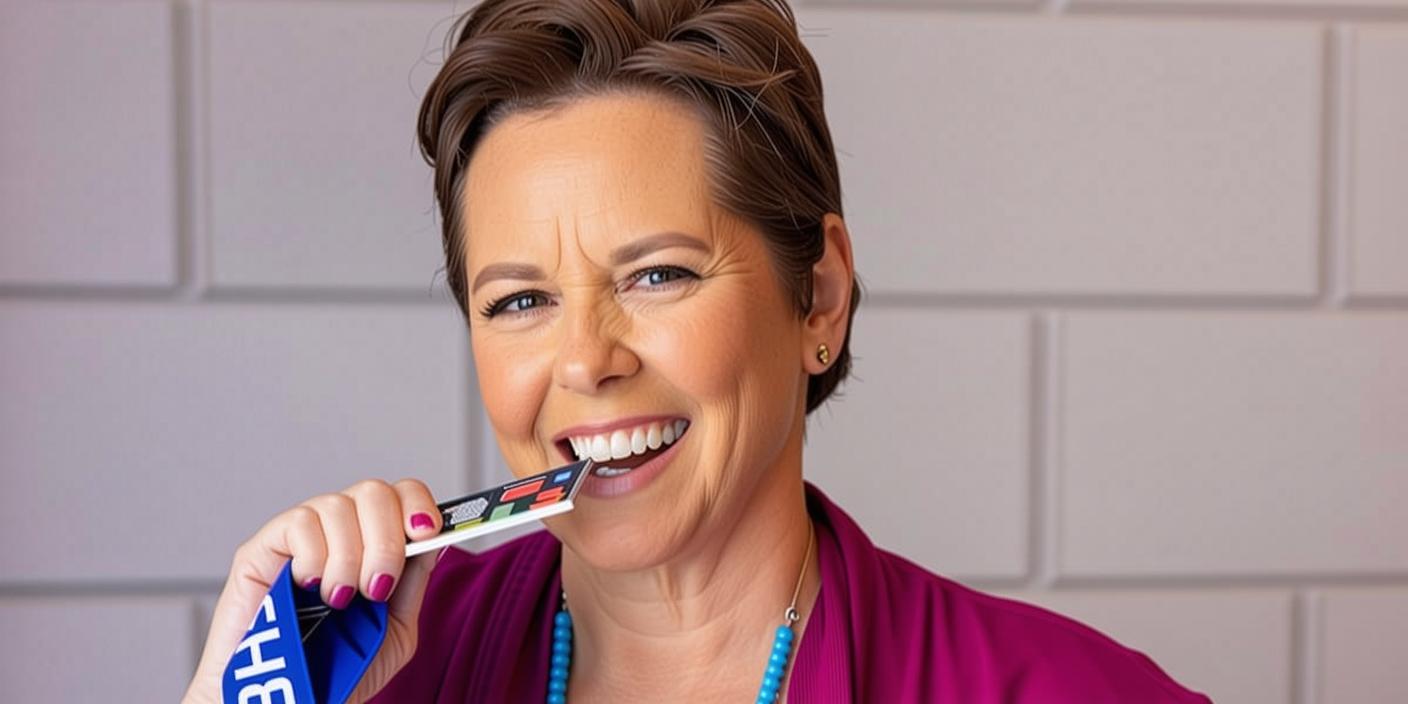
Cassandra Burke
Cassandra BurkeFueling Workouts with Quick Carbs
Cassandra BurkeRethinking Traditional Breakfasts
Oksana Iermolinska/Getty ImagesA Creative Take on a Starbucks Favorite
Cassandra Burke
What's Your Reaction?
 Like
0
Like
0
 Dislike
0
Dislike
0
 Love
0
Love
0
 Funny
0
Funny
0
 Angry
0
Angry
0
 Sad
0
Sad
0
 Wow
0
Wow
0